

The Democracy@TAU pilot
DECEMBER 2025 · FROM A SHARED QUESTION TO A CAMPUS-WIDE VOTE
How should a university respond to a constitutional crisis? The campus community selected the issue; a student assembly studied it and created a proposed framework; students, faculty and administrative staff were invited to vote.
1,712 voters · 75.8% support for the proposal
The achievement went beyond a yes-or-no vote. The assembly created a new possibility, connecting academia and society with a graduated response to emergencies. This archive records the process, its outputs and the lessons informing our next cycle.
About the project · Assembly · Proposal · Referendum results

The process, results and lessons
THE COMMUNITY CHOOSES THE QUESTION
The preliminary poll drew 1,231 respondents. Of three issues — a constitutional crisis, freedom of expression and gender segregation on campus — the constitutional crisis received the largest share of support and became the assembly’s starting point.
THE ASSEMBLY LEARNS, DELIBERATES AND CREATES
The assembly combined course enrollment with selection by lottery. On 7–11 December 2025, members met experts and advocates of different positions, examined competing arguments and wrote a proposal together. They moved beyond the question of whether to strike, creating a framework that distinguished routine activity from emergency response. It connected ongoing efforts to bridge academia and society, through “Uma uMigdal,” with a graduated procedure for responding to a constitutional crisis and safeguards to reduce harm.
THE CAMPUS VOTES
The referendum ran on 21–25 December 2025. Of 1,712 participants, 1,298 voted in favor and 414 against: 75.8% support. A majority supported the proposal among students, faculty and administrative staff alike. These figures describe those who voted. The university leadership had not committed in advance to treating the result as binding; referendum support should be distinguished from formal institutional adoption.
WHAT WE CARRY FORWARD
The pilot connected learning, deliberation, creation and decision in a single process. It also showed how access to the course and the assembly’s composition shape whose voices are heard. Broader representation, wider participation and clarity about the role of the result inform the next cycle. Our aim is democratic co-authorship: creating alternatives and taking responsibility for decisions together.
Assembly · Proposal · Referendum results ·
THE PILOT STEERING TEAMS
Student team: Nitzan Fialkov (content), Reut Adinayev (logistics), and Roni Kadosh-Shaller (project director and team leader).
Academic team: Uriel Abulof, Revital (Tali) Hatuka, Irad Ben-Gal, Nimrod Rosler, Nurit Guttman, Menachem Mautner, Michal Kravel-Tovi, Yael Sternhell, Ben Zion Selkmon, and Irad Malkin.
The original team gallery, with names in Hebrew, is preserved below.
Meet the Team

ניצן פיאלקוב
אחראית תוכן

רעות אדינייב
אחראית לוגיסטיקה

רוני קדוש-שלר
פרויקטורית
Academic Team

פרופ' אוריאל אבולוף
סגל אקדמי בכיר בבית הספר למדע המדינה, ממשל ויחסים בינלאומיים

פרופ' רויטל [טלי] חתוקה
סגל אקדמי בכיר בבית הספר ללימודי חברה ומדיניות

פרופ' עירד בן גל
סגל אקדמי בכיר במחלקה להנדסת תעשיה

ד"ר נמרוד רוזלר
ראש התכנית הבינלאומית ליישוב סכסוכים וגישור

פרופ' נורית גוטמן
בדימוס בחוג לתקשורת ע"ש דן
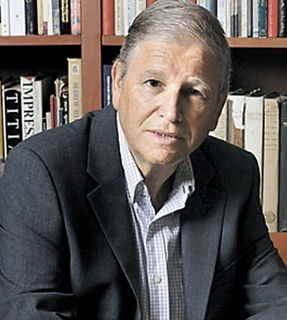
פרופ' מנחם מאוטנר
אמריטוס במנהלת הפקולטה למשפטים

פרופ' מיכל קרבאל-טובי
סגל אקדמי בכיר בחוג לסוציולוגיה ואנתרופולוגיה

פרופ' יעל שטרנהל
סגל אקדמי בכיר בחוג להסטוריה כללית ובחוג לספרות אנגלית ולימודים אמריקניים

ד"ר בן ציון סלקמון
סגל אקדמי בכיר בביה"ס לחינוך

פרופ' עירד מלכין
אמריטוס בחוג להסטוריה כללית